À TABLE | Article 1
Gastronomy, a reflection of its time
- 20.0.2023
- Complementary views
Gastronomy, ‘the art of eating well’, ignites the senses and creates meaningful emotions that last a lifetime. Yet ‘haute cuisine’ seems to extend beyond pure hedonism and is shaped by the flavours of the times. So how does food adapt to reflect its time? Let’s take a look at some of the trends gastronomy is seeing today.
Centuries of gastronomy have seen food evolve with the arrival of new innovations, trends and techniques. The Renaissance for example witnessed a veritable culinary revolution, with Europe seeing an influx of new foods from the New World. The exotic charm of a tomato or green bean may raise a smile now, yet clearly demonstrates how cooking constantly adapts to its time and embraces the new to reinvent and meet social change. Fast forward to the 1970s for a flashback to the resolutely subversive chefs championing ‘nouvelle cuisine’.
While culinary Meccas such as Bocuse or Troisgros may seem traditional today, their bold style back in the day caused quite a stir, in their efforts to stand apart from the rich, orthodox style of culinary icon Auguste Escoffier established in the 19th century, and the only one of its kind to qualify for the elevated culinary title of grande cuisine. Nouvelle Cuisine’s determined focus on simplicity, and its steadfast resolve to break free from the shackles of systematised cooking, demonstrates that gastronomy can and must leave its principles in its wake and move with the times.
"We could even go so far as to say that chefs are true trendsetters,
or at least responsible for launching a global movement."
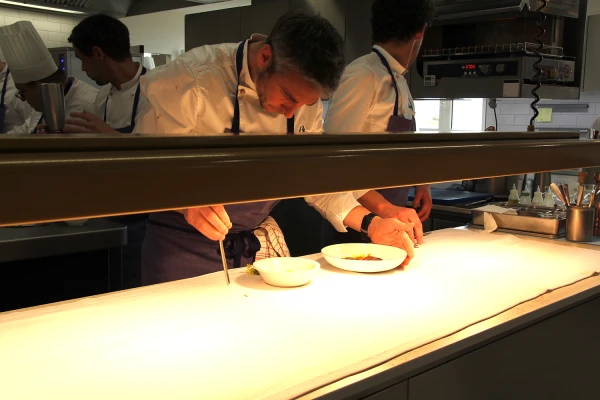
Gastronomy is an artform underpinned by creativity, and only truly shines when constantly challenged. In adapting to the preoccupations of the day by exploring new paths, the chef’s role has become one of raising awareness, which in turn plays a part in influencing the way we think. For the chef’s remit does not stop at the threshold of his restaurant, it involves the food industry as a whole and inspires our daily diets.
Spearheading this trend is the revival of natural food flavours. We are now seeing ingredients commanding a central role in gastronomy, as vocalised by chef Alain Chapel: “The produce alone is truth. The produce alone is the hero; not the chef whose only role is to treat it with respect.”
So the remit of the chef consists in creating uncomplicated dishes, where the flavours are clearly recognisable and the combinations or contrasts never overpower. Known in traditional Japanese cooking as Kaiseki, the emphasis is on fresh ingredients and preserving their natural taste. In this ‘less is more’ movement, produce is king. This implies an uncompromising approach to sourcing ingredients of exceptional quality and gives rise to dishes that eschew artifice of any kind.
"While for years the humble vegetable has only commanded a supporting role,
it has now become a star in its own right, and lovingly prepared
to allow the exceptional quality of origin and flavour to shine."
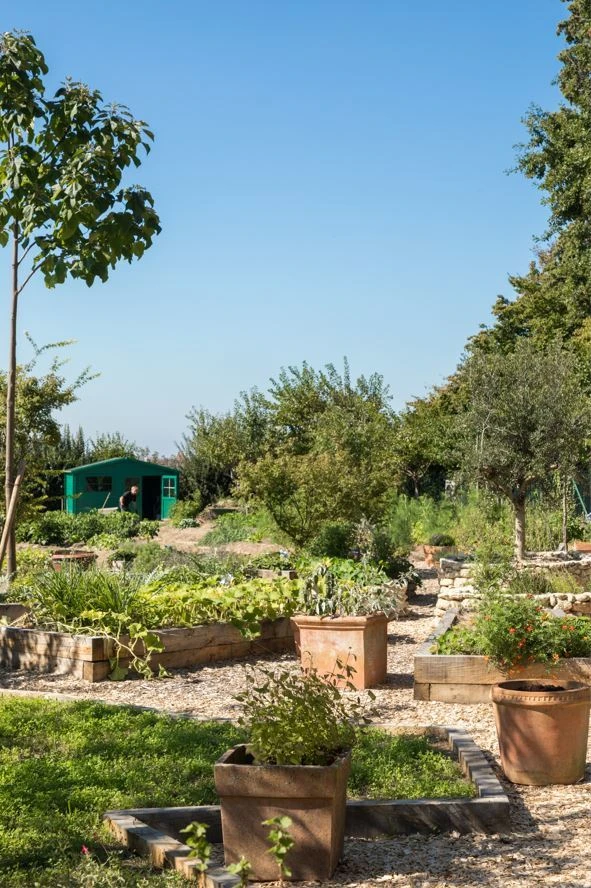

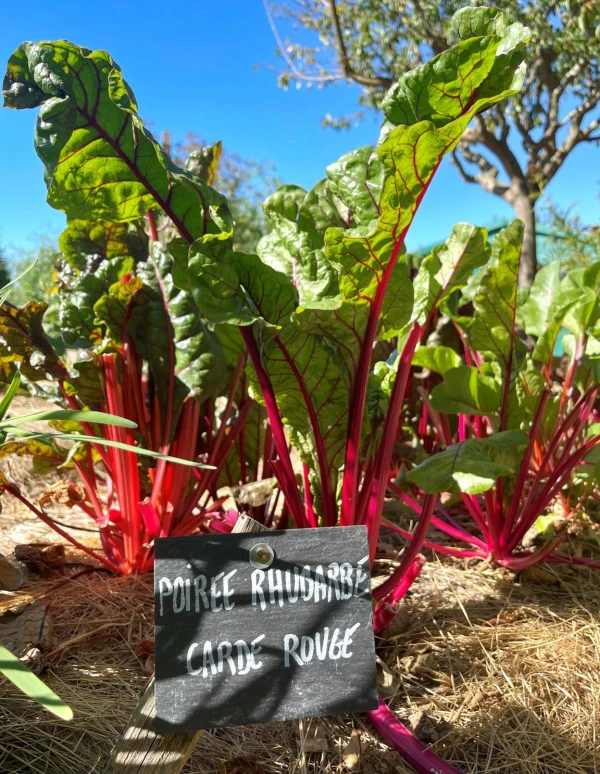
For a number of years, this commitment has led to a particular focus on vegetables. Following in the footsteps of chef Alain Passard, vegetarian dishes now feature in the finest dining establishments. While for years the humble vegetable has only commanded a supporting role, it has now become a star in its own right, and lovingly prepared to allow the exceptional quality of origin and flavour to shine.
To this end, a large number of chefs have launched their own vegetable gardens, which are a rich source of inspiration, where spontaneity and freshness are key. This initiative has led to experimentation being an integral part of their role. In fact, chefs have been instrumental in promoting a huge diversity of plant-based produce and promoting techniques such as permaculture. The entire food industry has benefited from such practices, and consumers too.
The quest for the finest quality ingredients goes hand in hand with promoting local sourcing and seasonality. This commitment aligns with a cuisine mindful of its responsibilities to the natural, social and economic environment and extends beyond sourcing ingredients. In fact many chefs urge their kitchen brigade and suppliers to commit to sustainability at every level.
Cutting down on waste, so preventing wastage, recycling food that would otherwise go to waste, and avoiding single-use containers in particular, is backed by supplementary, not directly food-related measures, such as energy savings, eco-cleaning products and clean transport. Over time these initiatives become second nature and inspire users across the board.
From Michelin-style food to home-cooking, it only takes a small step in the name of protecting the environment.
oday this is part of a broader movement taking root that is willing gastronomy along the path towards greater sustainability. In 2019, France’s Michelin Guide awarded chef Christopher Coutanceau with the inaugural sustainability prize in recognition of his efforts to protect the oceans and marine species.
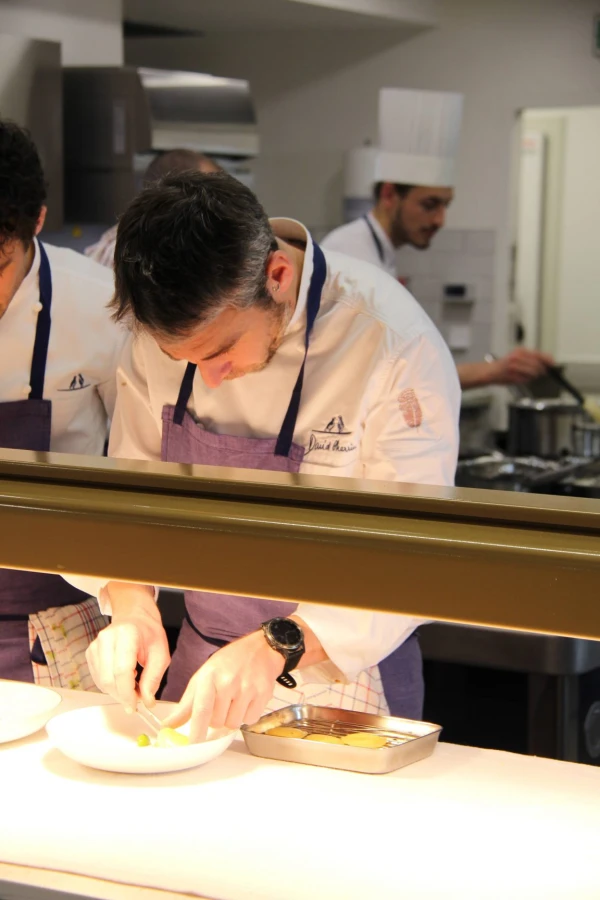
In 2022, a total of 87 Michelin Green Stars were awarded; a sure sign that chefs are increasingly engaged in sustainable food initiatives. By featuring produce on menus that respects the territory, seasonality and production methods, and by cultivating their own gardens or composting organic waste, chefs like David Charrier at Belles Perdrix de Troplong Mondot embrace responsibilities far beyond the realms of their own establishment. In this way, gastronomy takes on a humanistic dimension, and is even a lifestyle choice.
Albeit challenged by the preoccupations of its day, gastronomy still manages to create the emotional experience that underpins its existence, while fulfilling its responsibilities too.
"The future of gastronomy lies in its ability to exist in harmony with the environment and continually evolve its practices, while never losing sight of the importance of a quality dining experience shared."

Follow us
@chateautroplongmondot