- 8.25.2025
- Press
For the “Wine” category, Jean-Françis Pécresse, journalist at Les Echos, talks about Château Troplong Mondot’s “zero carbon” goal.
When the climate is no longer stable, there is more than one way to fight against climate change. Try to save what can still be saved. Contribute as much as possible to preserving a livable planet. In French vineyards, a model of practical ecology sheltered from ideological winds, everyone is seeking their own path, the most popular being organic viticulture or, better still, biodynamic viticulture.
However, the paradox of organic viticulture is that the more the weather becomes unstable, the less it seems an appropriate response. So much rain has fallen over the last two seasons that winegrowers have had to treat their vines with Bordeaux mixture multiple times. To the point that they have used more copper, increased their carbon footprint, and compacted the soil a little with their tractors.
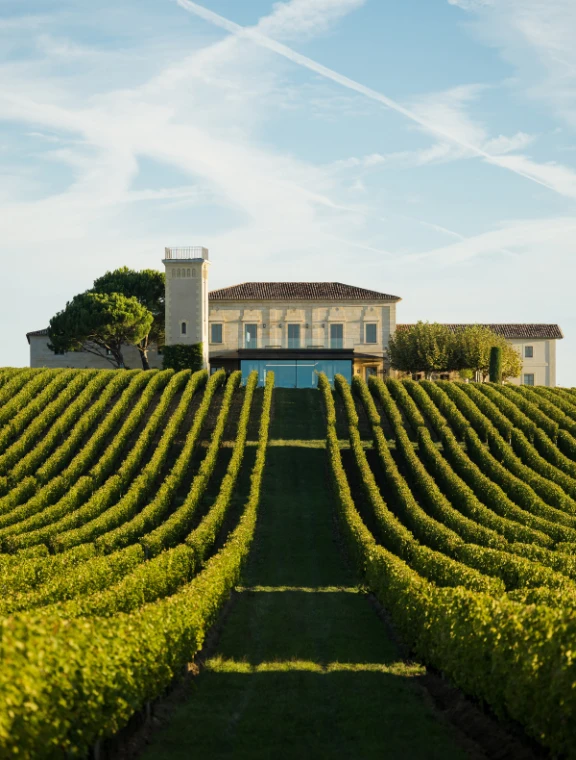
This limitation of organic viticulture, which is particularly evident in oceanic regions, is leading some to prioritize their carbon footprint over their phytosanitary footprint. This is the case at Troplong Mondot, a Saint-Émilion Grand Cru Classé, which, while banning herbicides, insecticides, and anti-botrytis treatments (the dreaded “rot” that affects grapes at the end of ripening), has assigned itself the UN's “zero carbon” target for 2050.
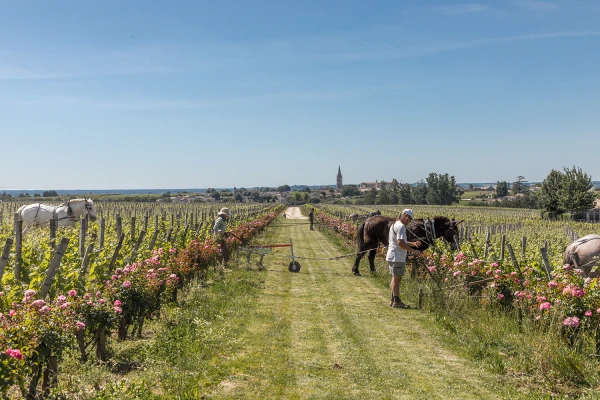
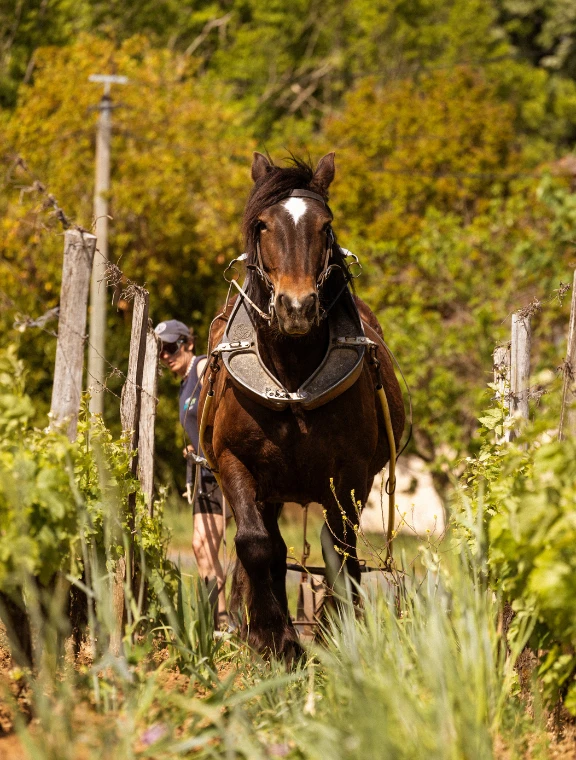
Vines worked by horse
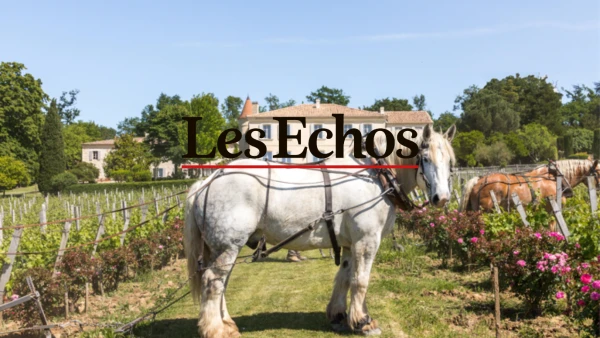
At Troplong, the highest point in the Saint-Émilion region, living hedges (1,000 meters) and dense trees (1,000) are planted, the rows are cultivated by horse, and the buildings are heated in winter by converting vine shoots into pellets. All these efforts, combined with many others, will enable the estate to halve its carbon footprint by 2030.
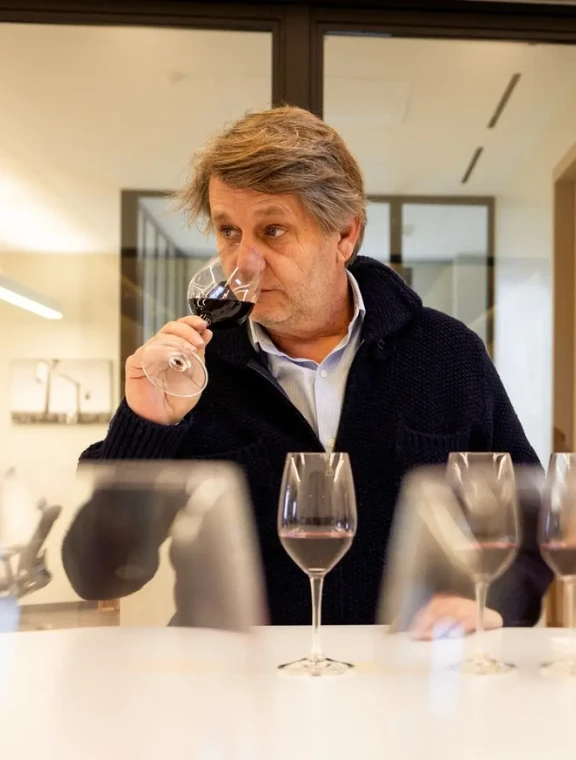
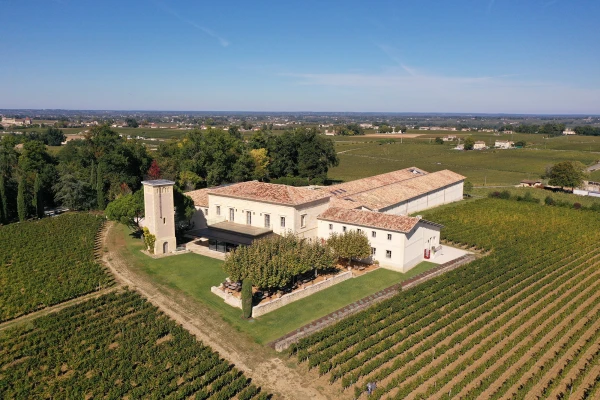
This slow and patient work is the achievement of a man of skill, named after his region, Aymeric de Gironde, who arrived from Cos d'Estournel in 2017 when the late Denis Kessler, then head of the reinsurer SCOR, acquired this spectacular estate overlooking the medieval village.
Less than ten years later, the wines of Troplong, some of whose vintages were already benchmarks (1990, 1998, 2006, etc.), have not only gained in brilliance but also considerably in elegance, as exemplified by the 2022, whose aromatics and depth complement each other in near-perfect harmony. Under de Gironde's leadership, this Saint-Émilion cru can continue to display a quiet confidence.
Follow us
@chateautroplongmondot